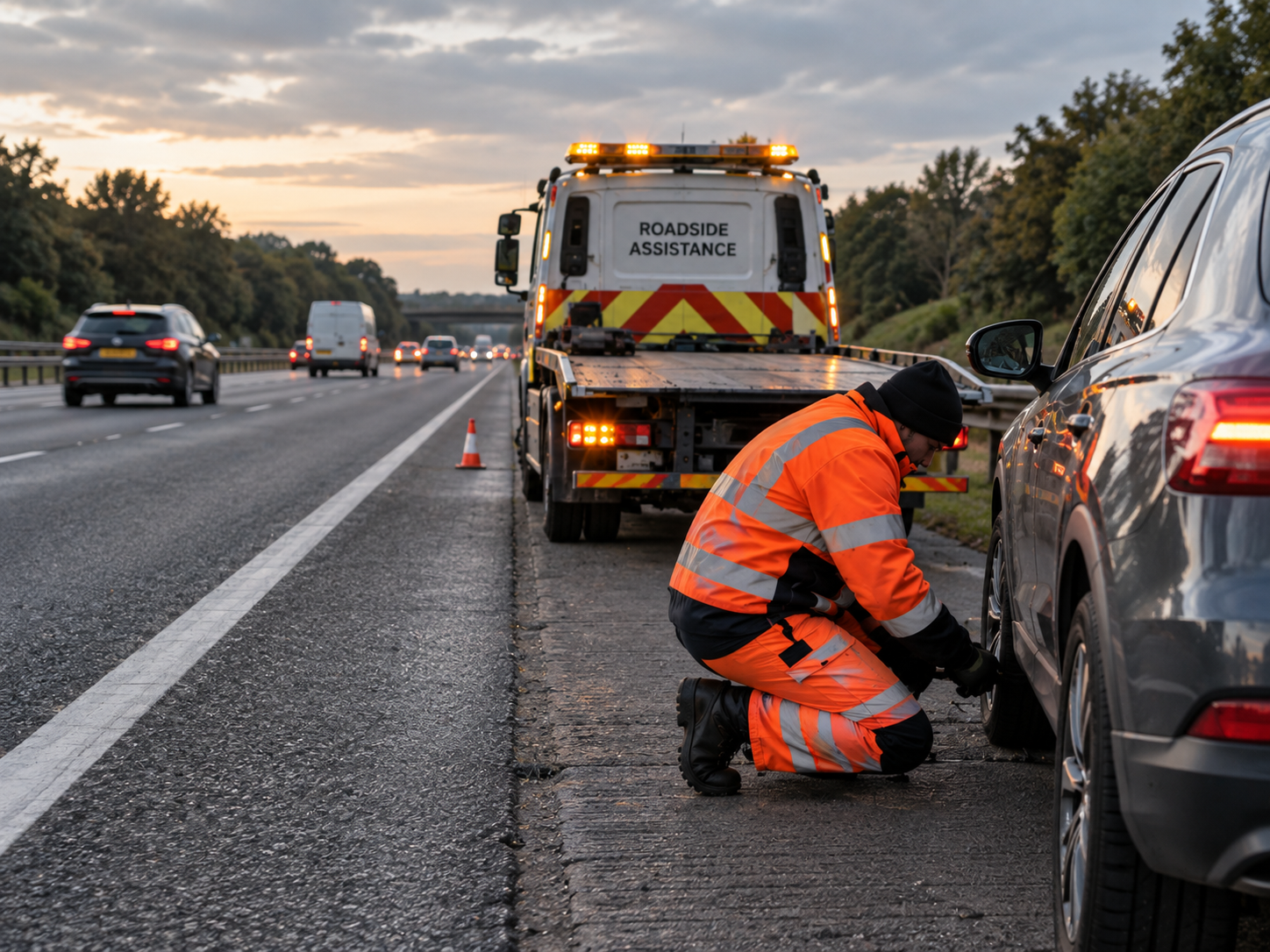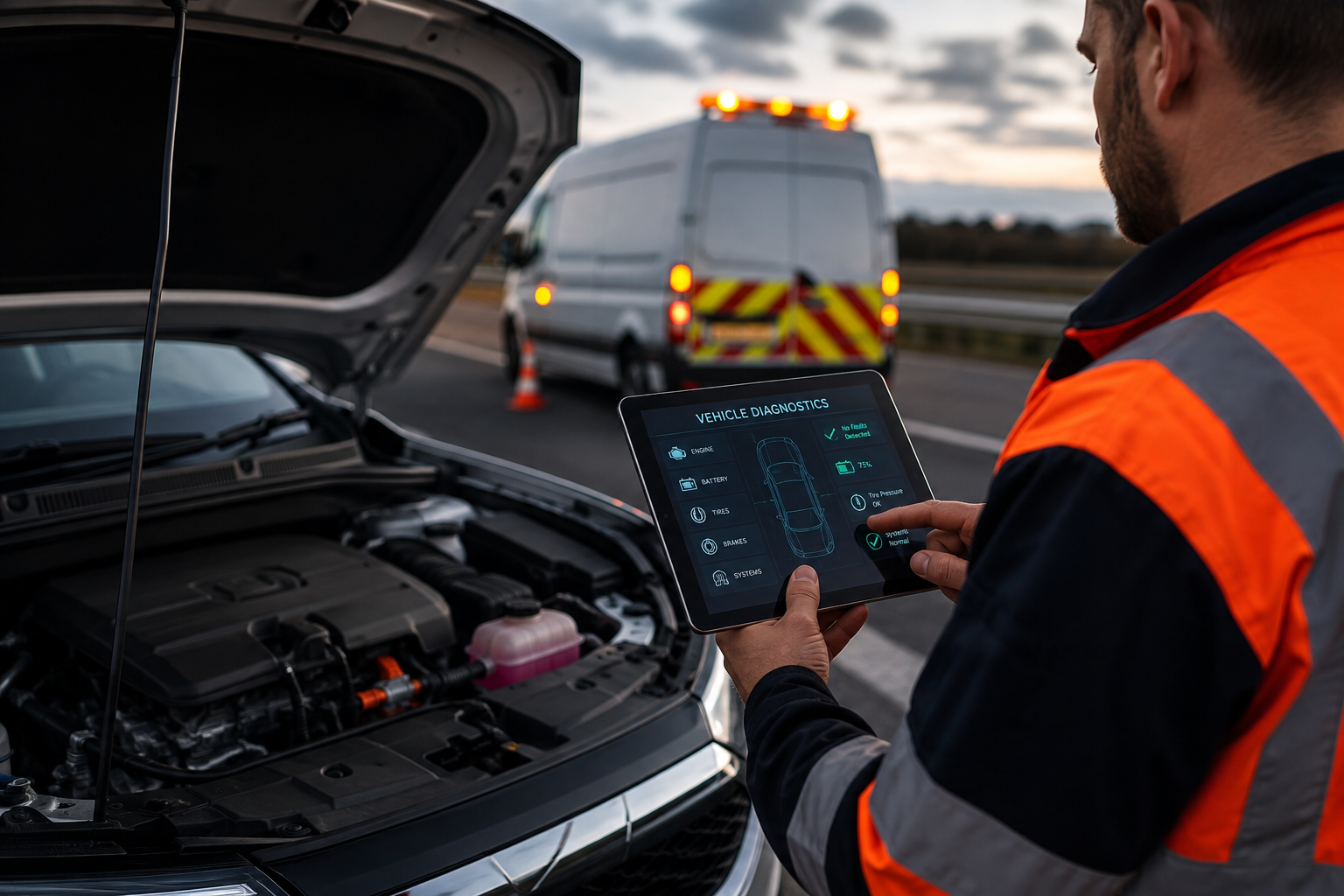
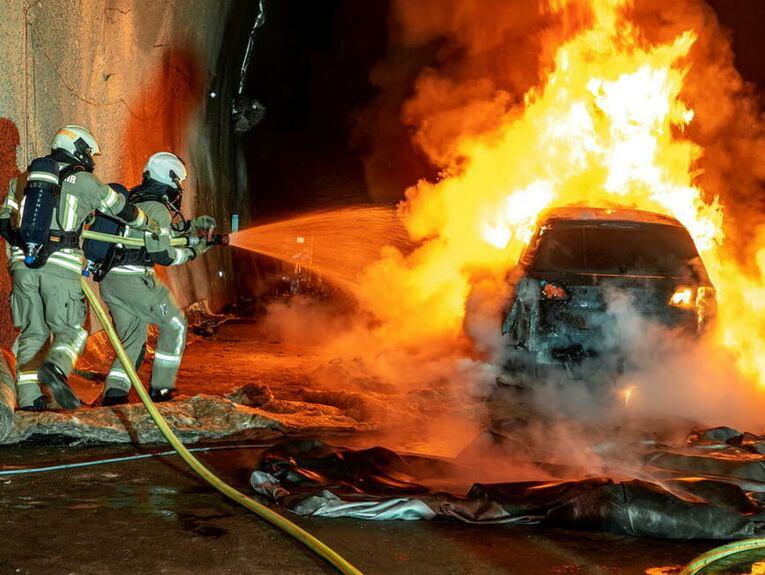
Electric vehicle (EV) incidents in enclosed environments such as road tunnels require specific handling considerations due to battery systems, ventilation constraints, and extended risk timelines.
Recent operational guidance and emergency response frameworks indicate an increased focus on structured procedures for safe intervention and recovery.
Observed Operational Considerations
Industry guidance suggests that response teams are adapting procedures in several key areas:
Vehicle identification protocols
Initial assessment increasingly assumes electric or hybrid systems until confirmed otherwise, supported by manufacturer documentation and vehicle indicators.High-voltage system awareness
Emphasis is placed on avoiding interaction with high-voltage components unless clearly defined procedures are available.Controlled vehicle handling
Movement and recovery actions are typically delayed until appropriate clearance is given by emergency response authorities.Extended monitoring requirements
EV battery systems may require prolonged observation due to potential delayed thermal reactions.
Tunnel Environment Factors
Tunnel incidents introduce additional complexity compared to open-road scenarios:
Restricted ventilation and controlled airflow systems
Limited evacuation routes and confined operational space
Increased importance of coordinated response under centralised incident management
Operational responsibility in such environments remains closely aligned with established tunnel response frameworks and emergency services oversight.
Evolving Response Approach
Available guidance indicates a gradual shift toward:
More structured coordination between recovery operators and emergency services
Increased reliance on manufacturer-specific procedures
Greater emphasis on risk containment rather than rapid intervention
These developments reflect the growing integration of electric vehicles into existing roadside and recovery operations.
Implication
As EV adoption continues to increase, recovery procedures in complex environments such as tunnels are expected to evolve further.
This may lead to:
Standardisation of EV-specific handling protocols
Increased training requirements for recovery personnel
Greater alignment between infrastructure operators, emergency services, and service providers
Disclaimer
This summary reflects general industry guidance and publicly available operational practices. It does not replace official procedures, manufacturer instructions, or instructions issued by emergency response authorities.