Overview
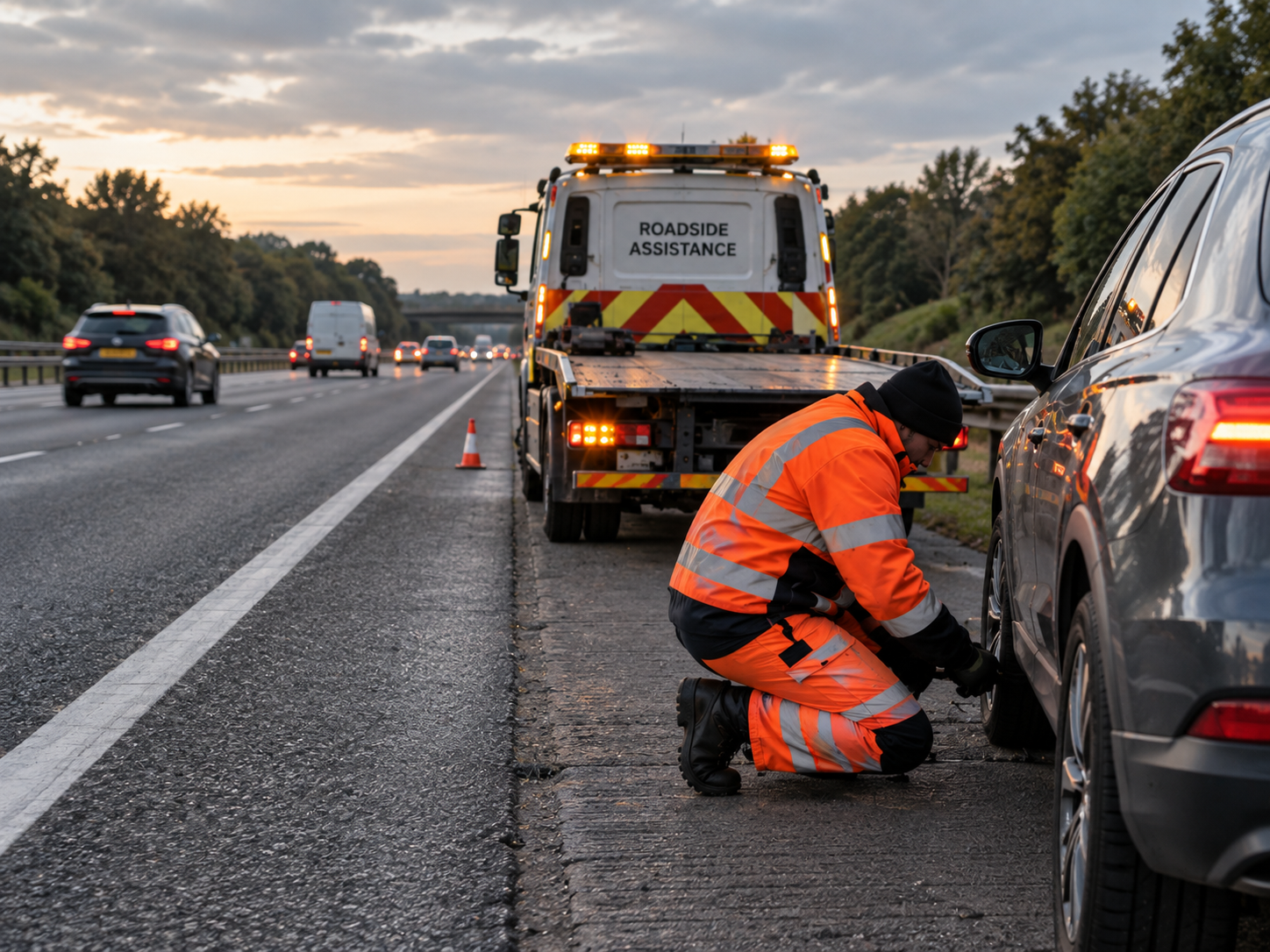
As electric vehicles become an increasingly common sight on UK roads, roadside recovery organisations are adapting their operational procedures, equipment and training to meet new technical and safety requirements.
Unlike many conventional petrol or diesel vehicles, certain electric vehicles cannot simply be towed with their driven wheels on the road without following manufacturer guidance. This has prompted new approaches designed to move stranded vehicles to a place of safety quickly while reducing risks for road users and recovery personnel.
Why Electric Vehicle Recovery Is Different
Although the principles of roadside recovery remain unchanged, electric vehicles introduce additional technical considerations.
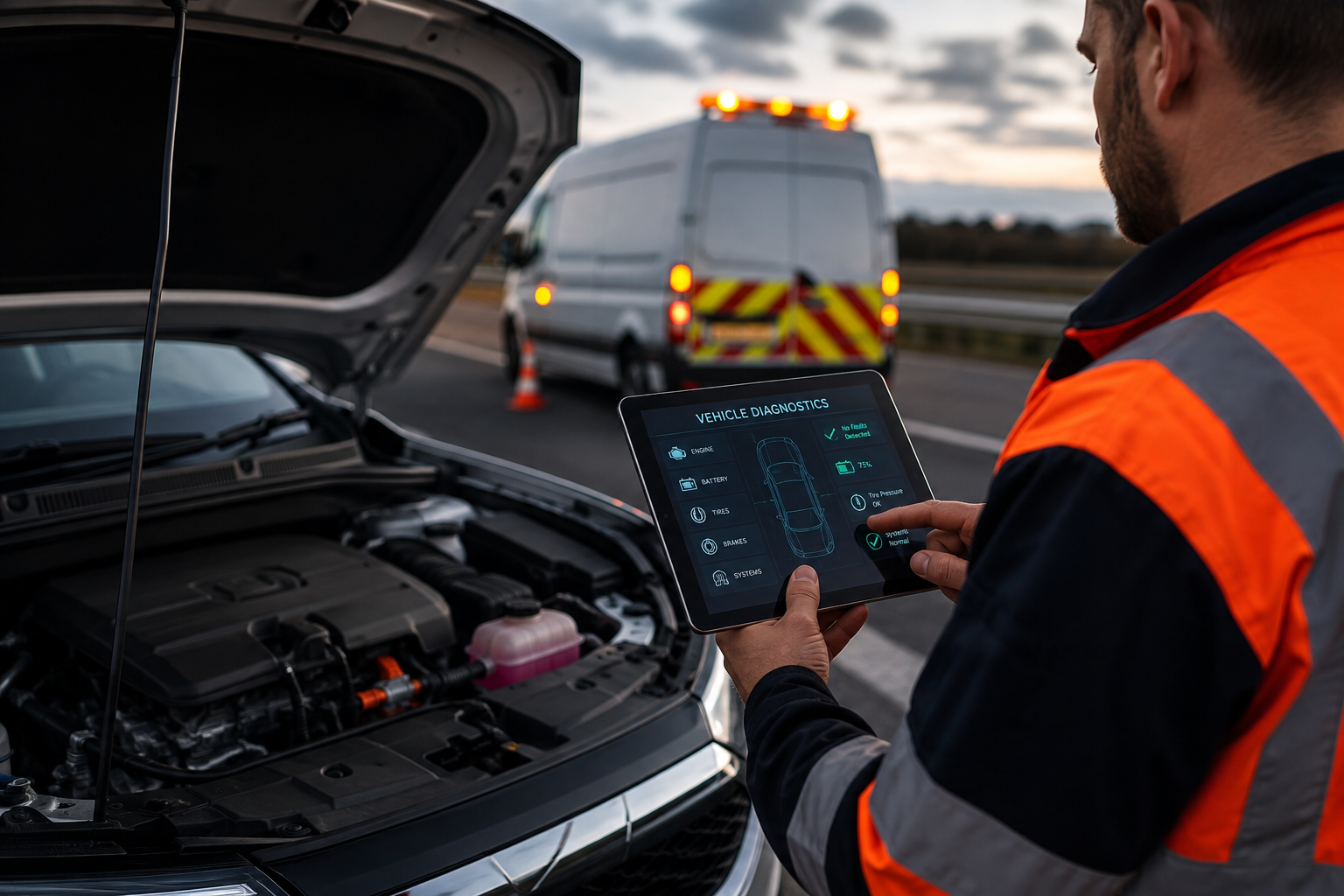
Many EVs use electric motors that remain mechanically connected to the drivetrain. Depending on the vehicle's design, towing with the drive wheels on the road may not be appropriate and could lead to damage if manufacturer procedures are not followed. As a result, recovery operators increasingly rely on vehicle-specific guidance, specialist equipment and additional training.
National Highways Introduces EV Recovery Skates
One example of this evolution is National Highways' introduction of vehicle skates, commonly known as "Slippery Jims".
The heavy-duty plastic skates are positioned beneath each wheel of a non-rolling vehicle, significantly reducing friction between the tires and the road surface. This allows Traffic Officers to move a stranded vehicle to a safer location without relying on the wheels turning during recovery.
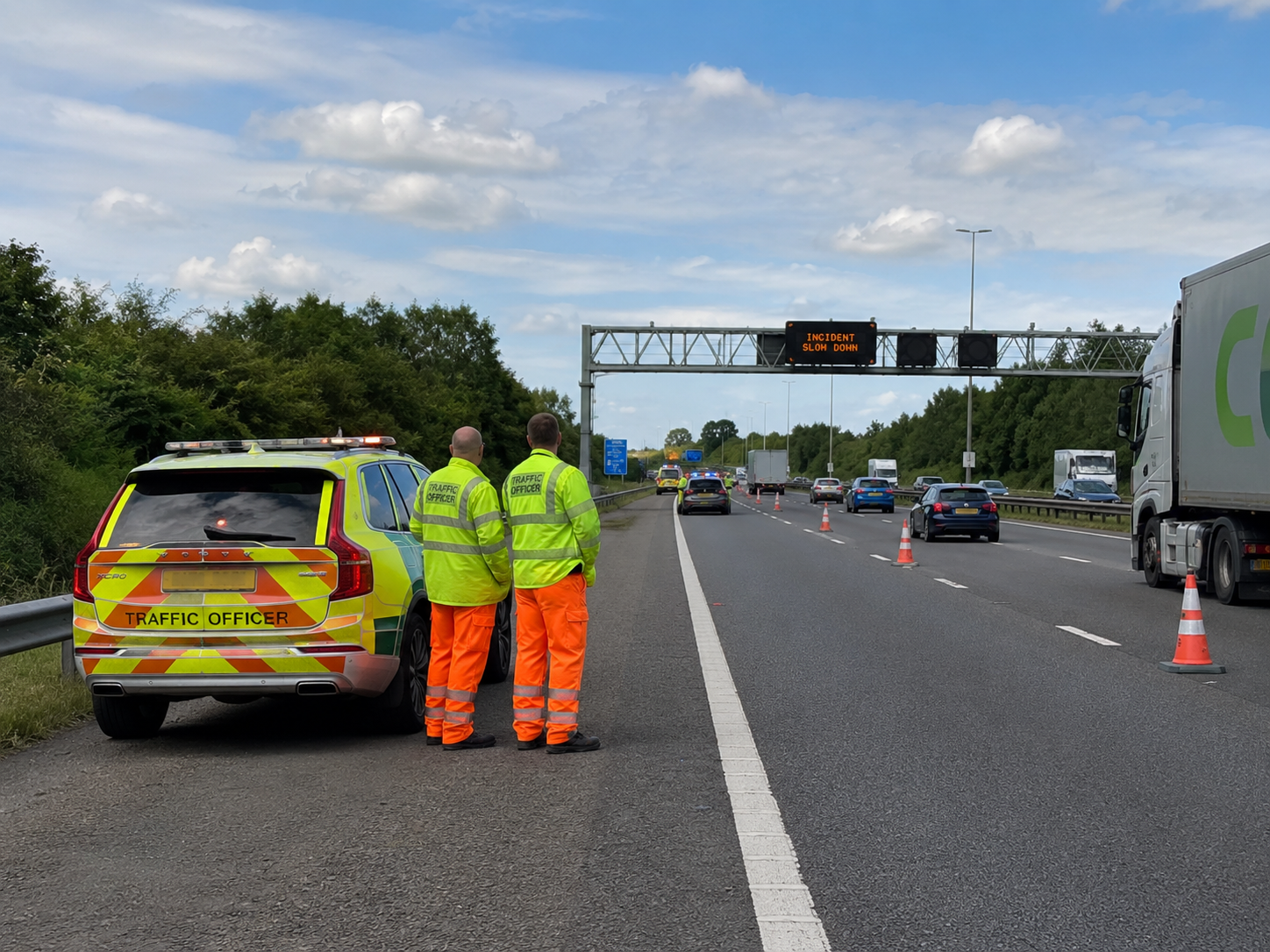
The initiative formed part of a nationwide investment of approximately £200,000 covering equipment and training for National Highways Traffic Officers. Every Traffic Officer vehicle was equipped with recovery skates alongside battery boosters for suitable petrol and diesel vehicles.
Improving Safety on the Strategic Road Network
The primary objective of the new equipment is not to complete the vehicle recovery itself, but to reduce the time a stranded vehicle remains in a live traffic lane.
Before the introduction of recovery skates, Traffic Officers could sometimes need to wait for a specialist recovery operator before moving certain non-rolling electric vehicles. The additional equipment allows many vehicles to be relocated more quickly to a place of relative safety, helping to reduce risks for motorists, recovery personnel and other road users while improving traffic flow following incidents.
National Highways reported successful trial results prior to the national roll out, with the recovery skates successfully moving non-rolling vehicles during testing and battery boosters proving highly effective for eligible internal combustion engine vehicles.
Skills and Equipment Continue to Evolve
The increasing proportion of electric vehicles on UK roads is influencing more than recovery equipment alone.
Across the roadside assistance sector, organisations continue to invest in:
high-voltage vehicle awareness;
specialist recovery procedures;
updated risk assessments;
manufacturer-specific recovery guidance; and
equipment designed for modern electric and hybrid vehicles.
These developments reflect the wider transition taking place across the automotive and mobility sectors as vehicle technology continues to evolve.
Industry Outlook
Electric vehicles are not fundamentally changing the purpose of roadside assistance, but they are changing how certain recoveries are carried out.
As EV adoption continues to increase, investment in specialist training, recovery methods and operational safety is expected to remain an important area of development for roadside assistance organisations, recovery operators and highway authorities.
The evolution of equipment such as vehicle recovery skates demonstrates how operational practices continue to adapt alongside advances in vehicle technology.
Disclaimer
This article has been prepared using publicly available information obtained from official organisations, industry publications and other publicly accessible sources at the time of publication.
The ROBELIUM Newsroom provides independent editorial summaries intended to support general awareness of developments within the transport, mobility and roadside assistance sectors. Content should not be interpreted as live traffic management, operational forecasting, route guidance, legal advice, safety advice or professional advice.
ROBELIUM is not affiliated with, endorsed by, or acting on behalf of any official transport authority, public body, road operator, emergency service or third-party organisation referenced in this article, unless explicitly stated.
Information and public announcements may change after publication. Readers should refer to the relevant official authority or original source for the latest information where appropriate.