Autonomous rides move into public use
London’s autonomous vehicle programme has entered a new phase.
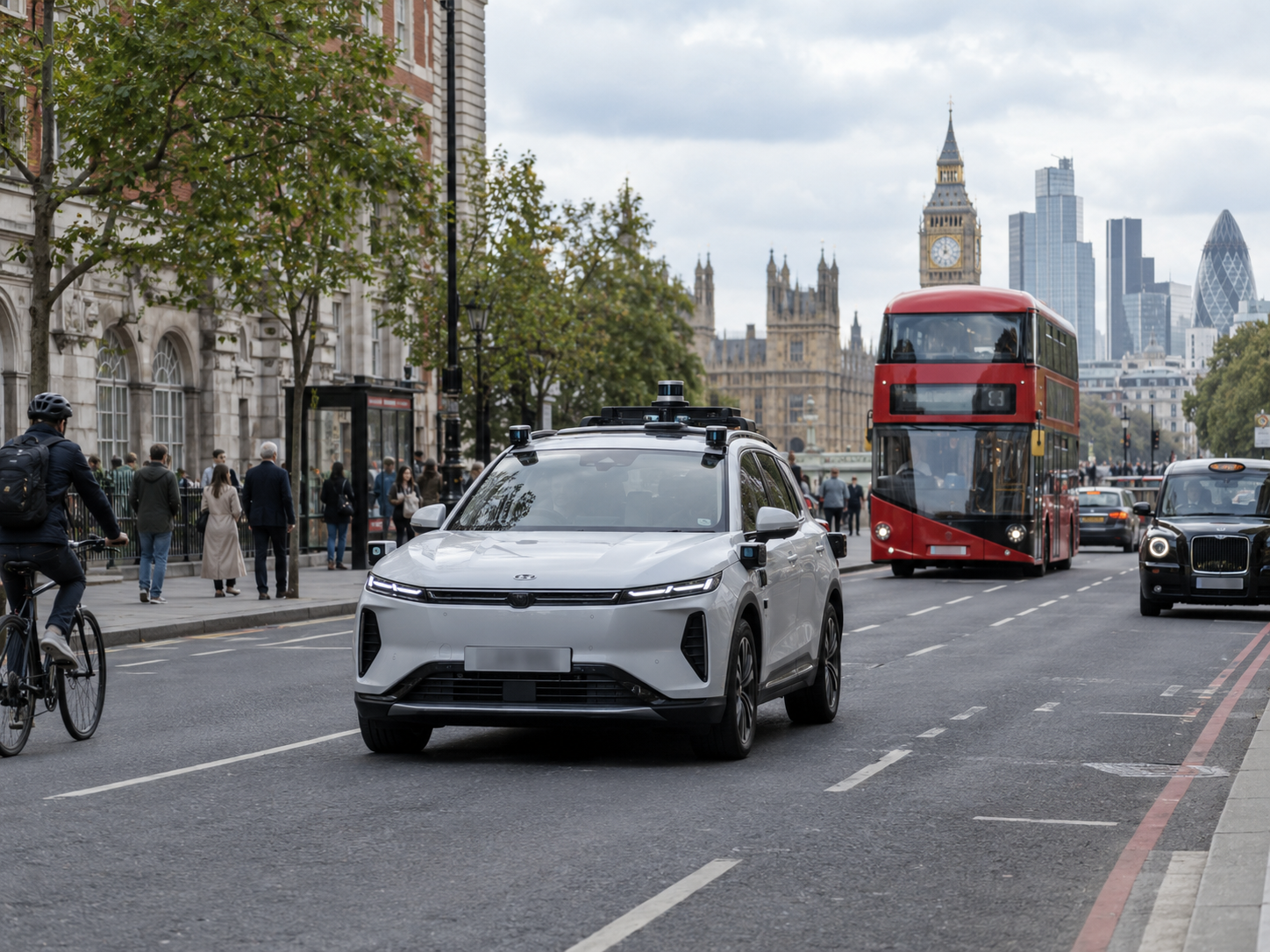
Uber and British technology company Wayve have launched supervised autonomous passenger rides across London, allowing ordinary Uber customers to experience the technology through the existing Uber app.
Customers requesting UberX, Uber Electric or Uber Comfort may now be matched with an autonomous vehicle at no additional cost.
Passengers can choose whether to accept the autonomous vehicle or switch back to a conventional Uber before the car arrives.
More than 140,000 Londoners had already opted in before the service launched.
A small fleet — for now
The initial trial is intentionally limited.
Transport for London approved the programme for up to 15 vehicles, allowing the companies to introduce the technology gradually while monitoring safety, passenger response and real-world performance.
The vehicles are all-electric Ford Mustang Mach-E models fitted with Wayve’s autonomous driving system, cameras, radar and surrounding sensors.
The small fleet means robotaxis will still represent only a tiny fraction of London’s private-hire market.
The significance is therefore not the number of cars.
It is the fact that autonomous vehicles have moved from engineering development and controlled testing into real passenger journeys on London roads.
How passengers can try it
The system operates through the normal Uber application.
London customers can increase their chances of being matched with a Wayve vehicle by enabling Autonomous Vehicles within their ride preferences.
If a vehicle is available, the passenger receives the option through the app.
Once the vehicle arrives, the doors can be unlocked and the journey started through the same Uber interface used for conventional rides.
At launch, the service operates across London, excluding airports.
Autonomous — but not yet fully driverless
There is an important distinction.
These vehicles are capable of performing the driving task using Wayve’s autonomous driving system, but the current service is still supervised.
A trained, TfL-licensed private-hire driver remains inside the vehicle and can intervene if required.
That means London has not yet reached the stage of completely driverless taxis operating without a human safety driver.
The current programme represents an intermediate step between development testing and fully autonomous commercial passenger transport.
Who is Wayve?
Wayve is a British autonomous-driving technology company founded and headquartered in London.
The company has been developing and training its autonomous driving system on London roads since 2018.
Its technology uses artificial intelligence to learn how to respond to road conditions rather than relying entirely on traditional high-definition mapping and large sets of manually programmed rules.
London provides an unusually demanding environment for this approach.
The system must deal with buses, cyclists, motorcycles, pedestrians, narrow roads, temporary traffic lights, roadworks, changing lane layouts and unpredictable traffic behaviour.
That makes the capital a valuable real-world test environment for autonomous vehicle technology.
Why Uber is involved
The partnership separates two important parts of the service.
Wayve provides the autonomous driving technology.
Uber provides the established booking platform, passenger interface and private-hire network.
This allows robotaxis to be introduced gradually alongside conventional Uber vehicles rather than requiring customers to use a separate transport service.
From the passenger’s perspective, the change can therefore be surprisingly simple:
request an Uber, receive an autonomous vehicle option, and decide whether to try it.
What happens next?
The fleet is expected to grow gradually according to regulation, technical readiness and passenger demand.
The more important long-term step will be the transition from supervised autonomous driving to fully driverless operation.
That will require further regulatory approval and evidence that vehicles can operate safely without a supervising driver.
For now, the London trial gives passengers, regulators and operators an opportunity to observe how autonomous vehicles behave under genuine urban conditions.
ROBELIUM Observation
Fifteen autonomous vehicles will not transform London transport overnight.
But that is not what makes this development significant.
For the first time, autonomous ride-hailing has moved into normal passenger use in the UK.
A member of the public can now request an ordinary Uber journey and potentially be collected by a vehicle performing the driving task autonomously.
The next questions will be operational.
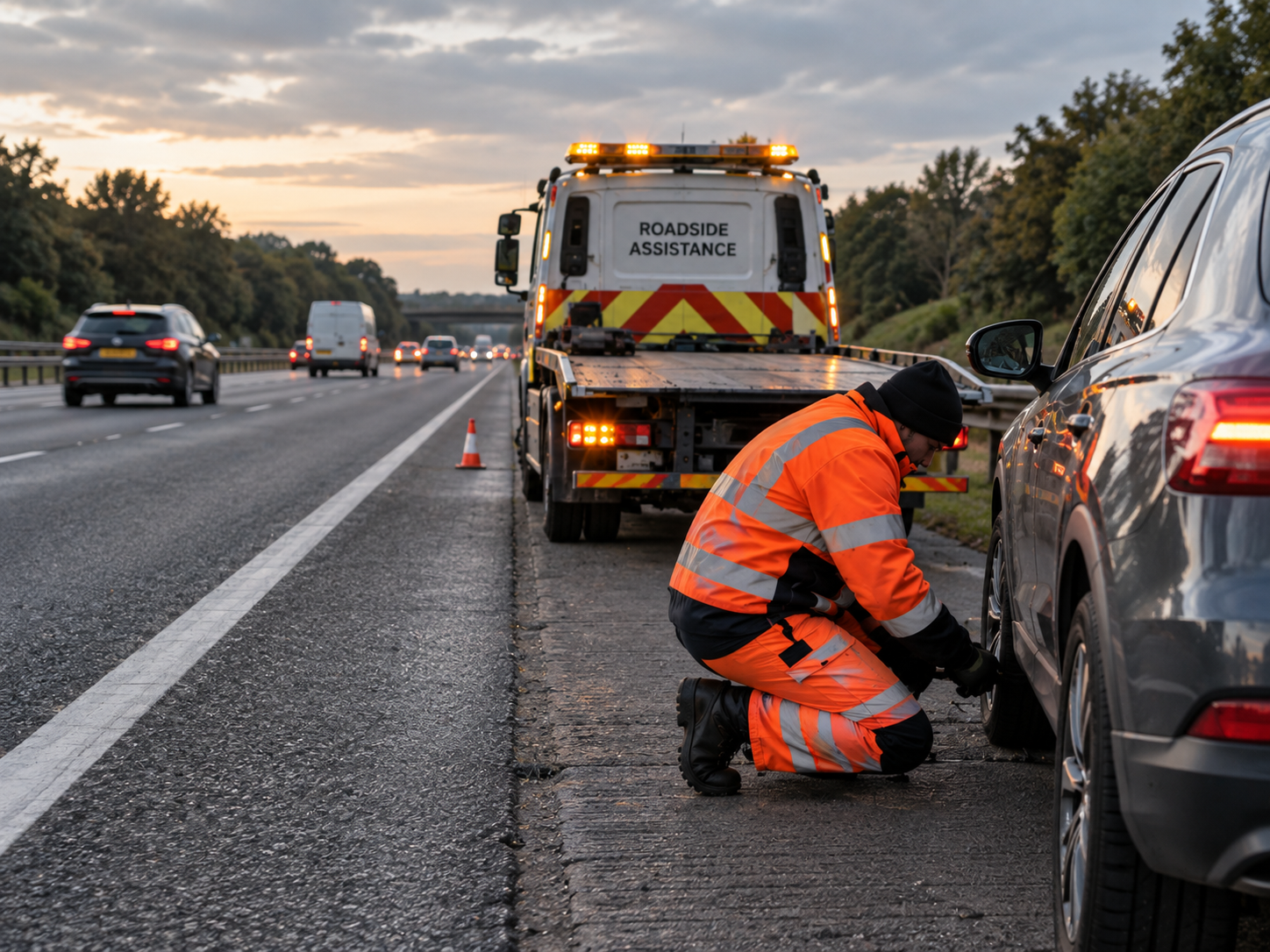
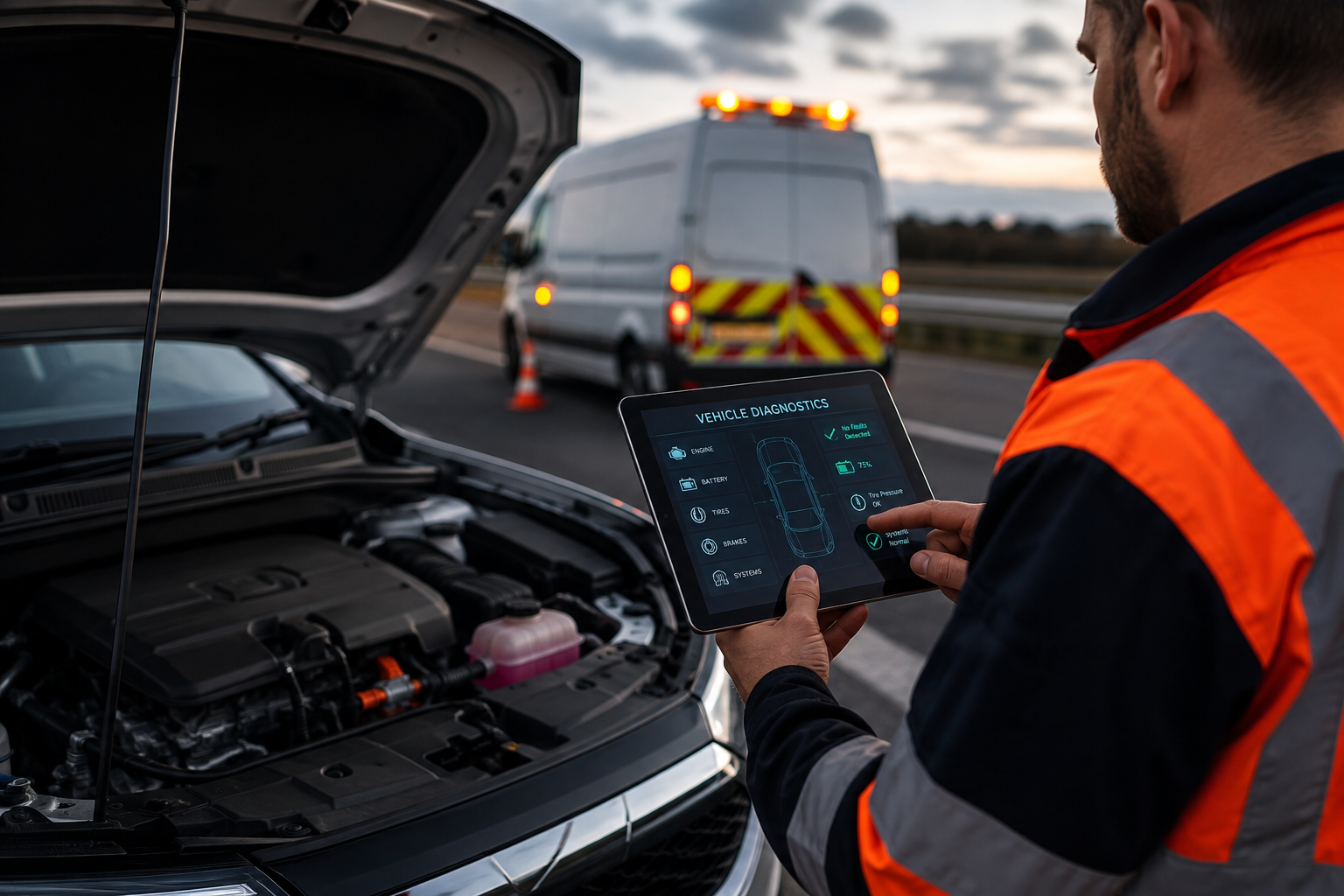
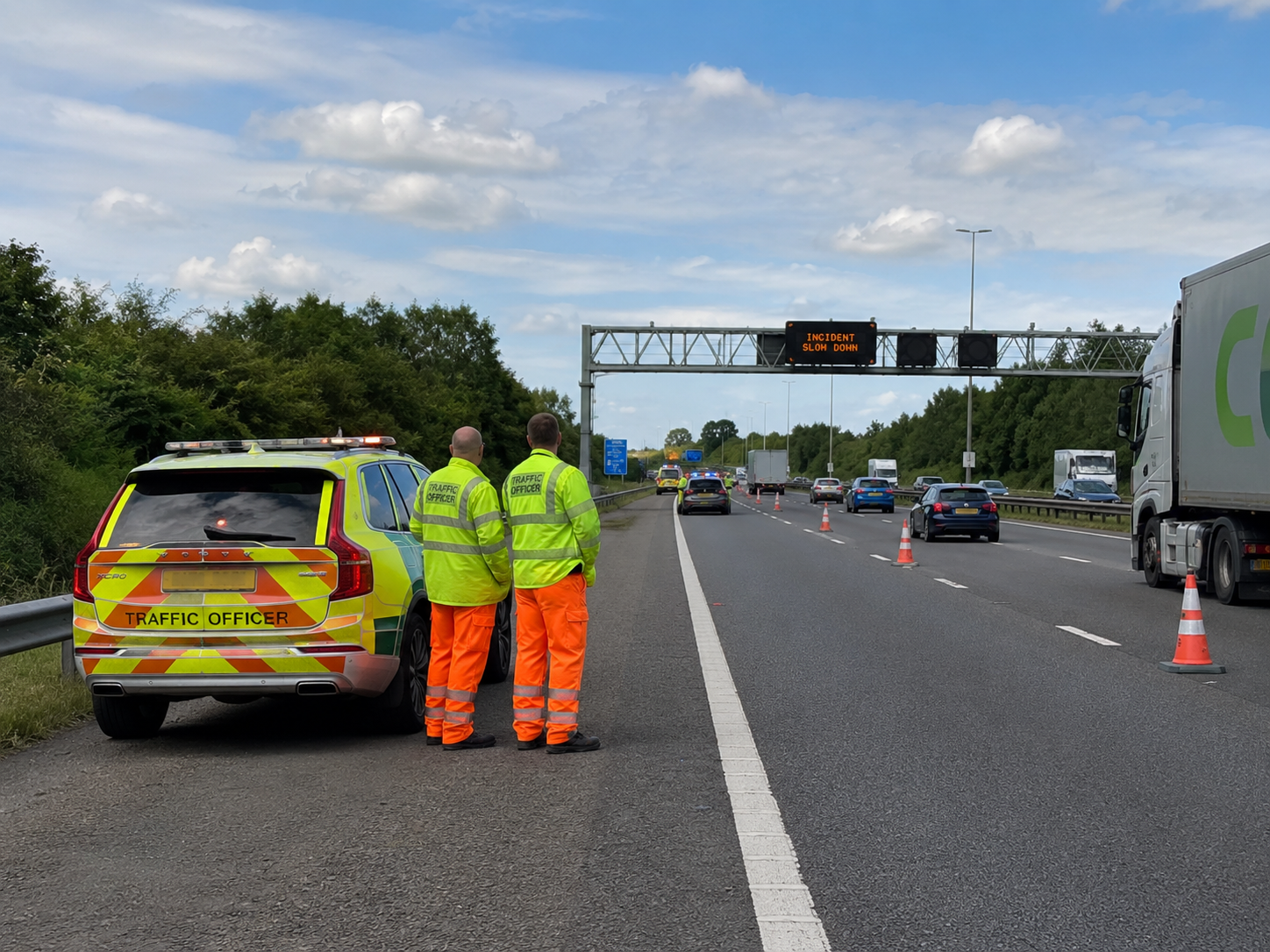
Autonomous vehicles will still encounter punctures, collisions, damaged sensors, temporary traffic lights, road closures and mechanical failures.
When that happens, the technology will have to interact with roadside assistance, recovery operators, emergency services and existing traffic-management systems.
That is where robotaxis stop being purely a technology story and start becoming part of the wider transport and roadside infrastructure.
Disclaimer
This Industry Intelligence article has been prepared using publicly available information from Uber, Wayve and Transport for London available in September 2026.
The ROBELIUM Newsroom provides editorial summaries intended to support general awareness of developments affecting transport, vehicle technology and roadside mobility.
Trial conditions, fleet numbers, operating areas and regulatory requirements may change as the programme develops.