Overview
Public material from roadside-assistance providers and European mobility organisations describes several developments involving digital incident reporting, connected-vehicle information and technical training.
The examples cover different parts of the roadside-assistance environment, from customer reporting tools and onward transport to discussions around access to vehicle-generated data and specialist training for roadside patrol teams.
They represent individual programmes and industry activity rather than a single European operating model.
Digital Roadside Reporting
Allianz Partners has introduced digital roadside-reporting tools in several of its assistance programmes.
In Spain, its Customer Web App allows customers to request roadside assistance digitally, share their location, identify the vehicle and select the type of assistance required. Customers can also follow the responding recovery vehicle through their mobile device.
The service operates alongside telephone assistance rather than replacing it.
In April 2026, Allianz Partners Spain also announced a digital mobility platform combining several onward-travel options when a vehicle cannot continue its journey.
The system includes taxi services, vehicle rental, rail travel and shared mobility. Allianz stated that the platform had previously been used in France before its introduction in Spain.
Mazda UK Roadside Assistance
Allianz Partners UK also provides roadside assistance for Mazda customers.
Its current agreement covers new and approved-used Mazda vehicles and has been extended until April 2029.
The published service includes a digital customer journey through which Mazda customers can provide their location and describe the nature of the incident, while also receiving information about when the technician is due to arrive.
Allianz states that alternative onward-travel selection is planned as an additional feature.
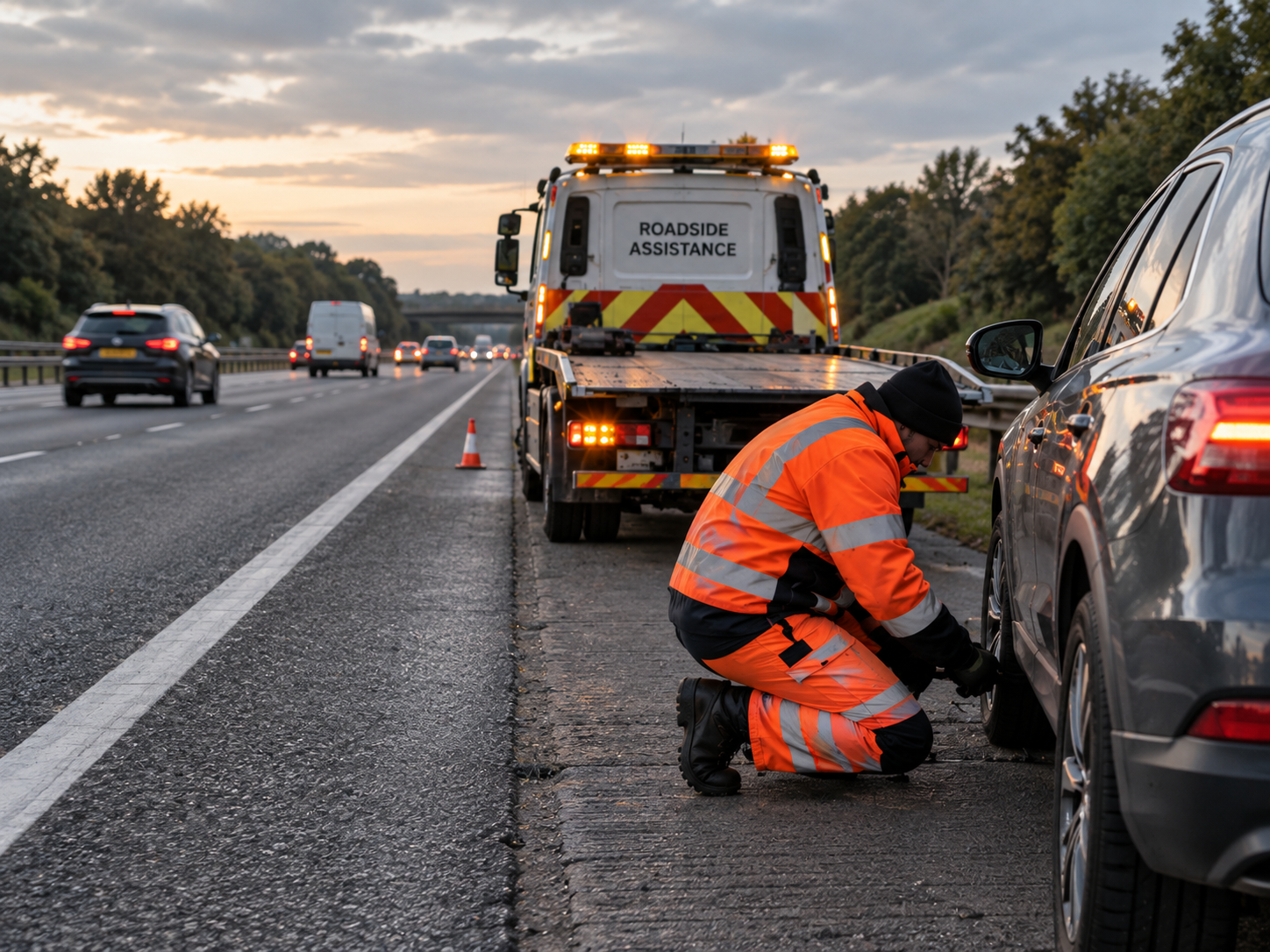
The service is supported by Allianz Partners technicians, who the company says are trained to work with electric vehicles. Vehicles that cannot be repaired at the roadside can be recovered to a Mazda dealership.
Connected-Vehicle Data
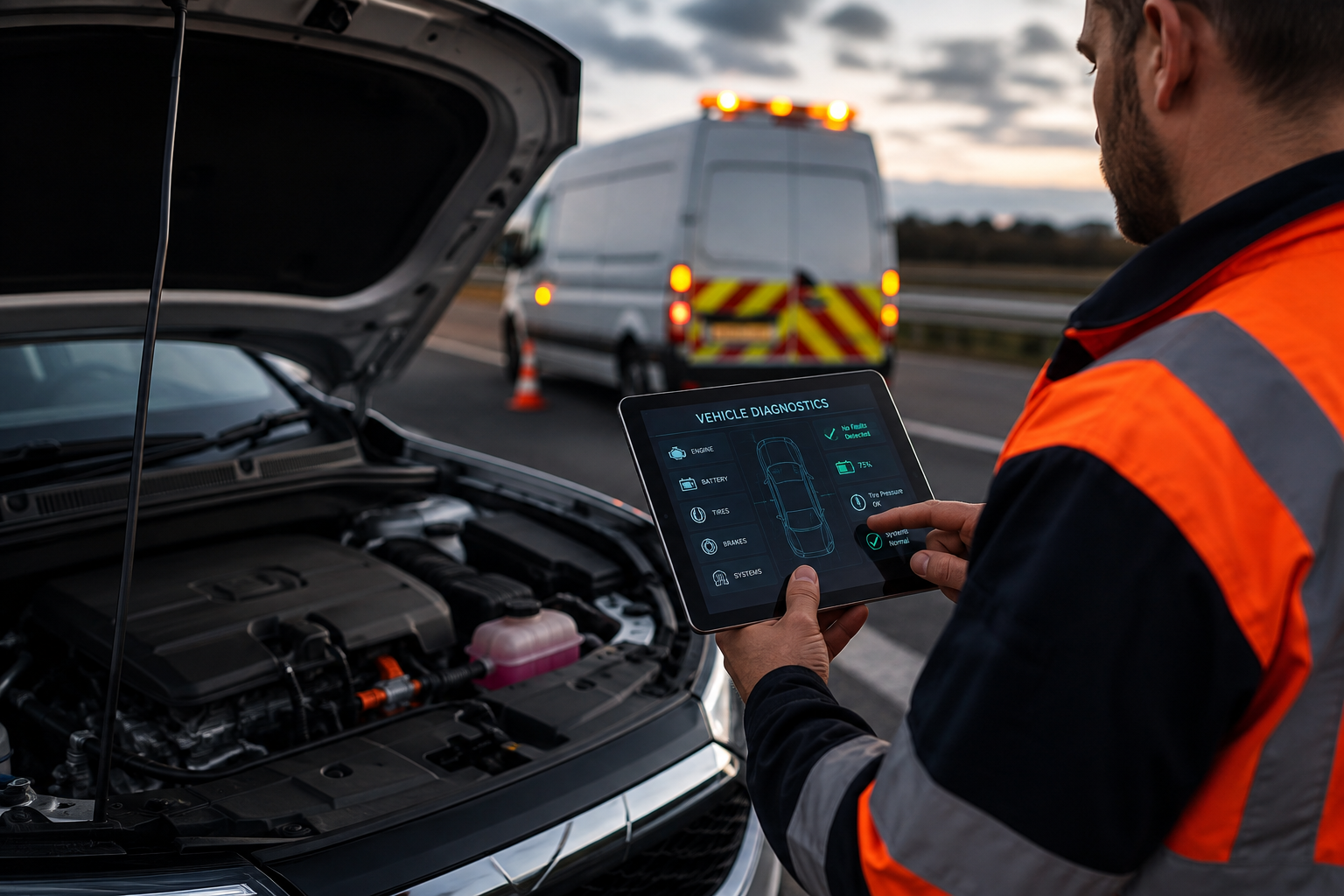
Access to vehicle-generated information remains an active subject within the European automotive sector.
In 2026, the FIA European Bureau commissioned research examining access to car data, the effect of new legislation and opportunities for digital services.
The research brief covers questions including what vehicle data is available, how it may be accessed and the implications for organisations providing services to motorists.
The FIA European Bureau represents mobility organisations whose activities include roadside assistance, insurance and other motoring services.
The work forms part of a wider European discussion around access to vehicle information by consumers and independent automotive-service providers.
Roadside Technical Training
Vehicle technology is also reflected in current European roadside-training activity.
FIA Region I and ARC Europe have scheduled the Road Patrol Training for Excellence 2026 for 13–16 October 2026 in Penzing, Germany, hosted by ADAC.
The programme brings together roadside patrol teams for technical training and assessment.
Published material for the event refers to common breakdown causes, manufacturer-specific repair information and newer vehicle technologies.
Participants are assessed on areas including safe breakdown response, fault diagnosis, repair, technical knowledge and customer service.
The programme is intended for participating FIA Region I clubs and ARC Europe organisations and includes both training and practical assessment.
Different Services, Different Scope
The cited programmes operate in different markets and serve different purposes.
Allianz Partners' Spanish mobility platform concerns onward travel after an incident.
Its Mazda UK agreement concerns manufacturer-backed roadside assistance.
The FIA European Bureau's work concerns vehicle-data access and digital services.
FIA Region I and ARC Europe's October programme concerns technical training for roadside patrol teams.
Taken together, these examples provide a current snapshot of subjects receiving attention within European roadside assistance: digital customer contact, vehicle information, alternative mobility and technical competence.
They should not be interpreted as evidence that all European roadside-assistance providers use the same systems or service model.
Current Position
Roadside assistance across Europe continues to be provided through a mixture of motoring organisations, insurers, vehicle manufacturers, international assistance providers and independent recovery businesses.
The public examples reviewed for this article show individual organisations introducing or examining digital reporting, connected-vehicle information, onward mobility and technical training alongside conventional roadside intervention.
Public Source References
Allianz Partners Spain — Digital mobility platform, 15 April 2026
Allianz Partners UK — Mazda partnership and digital roadside assistance
FIA European Bureau — Research on access to car data
FIA Region I — Road Patrol Training for Excellence 2026
Disclaimer
This article has been prepared using publicly available information from company publications, official announcements, industry sources and other publicly accessible materials available at the time of publication.
The ROBELIUM Newsroom provides editorial summaries intended to support general awareness of developments within the transport, mobility, fleet and roadside assistance sectors. Content does not constitute investment advice, legal advice, technical advice, operational guidance or professional advice.
ROBELIUM is not affiliated with, endorsed by, or acting on behalf of any organisation referenced in this article, unless explicitly stated.
Information and public announcements may change following publication. Readers should refer to the relevant original source for the latest updates where appropriate.