Overview
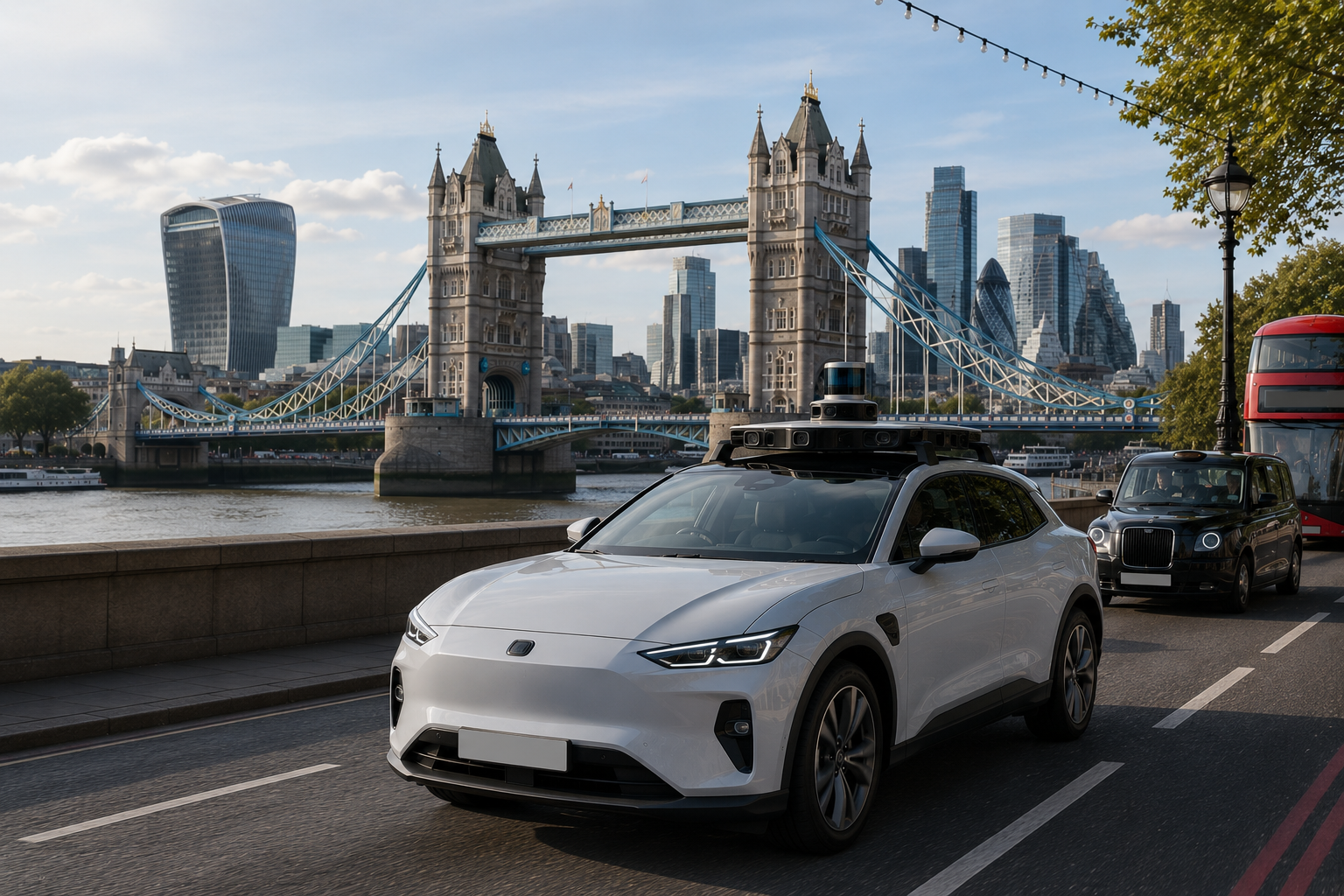
Autonomous vehicle technology is entering a new phase of development in the United Kingdom, with London increasingly positioned as a real-world testing environment for next-generation driving systems.
Rather than relying solely on closed proving grounds or simulation, developers are using the capital's diverse and demanding road network to train artificial intelligence in everyday traffic conditions. This approach reflects growing confidence in autonomous driving technology while recognizing that successful deployment depends on experience gained in complex real-world environments.
Why London?
Few cities present autonomous vehicles with as many challenges as London.
On any given journey, an autonomous system may encounter:
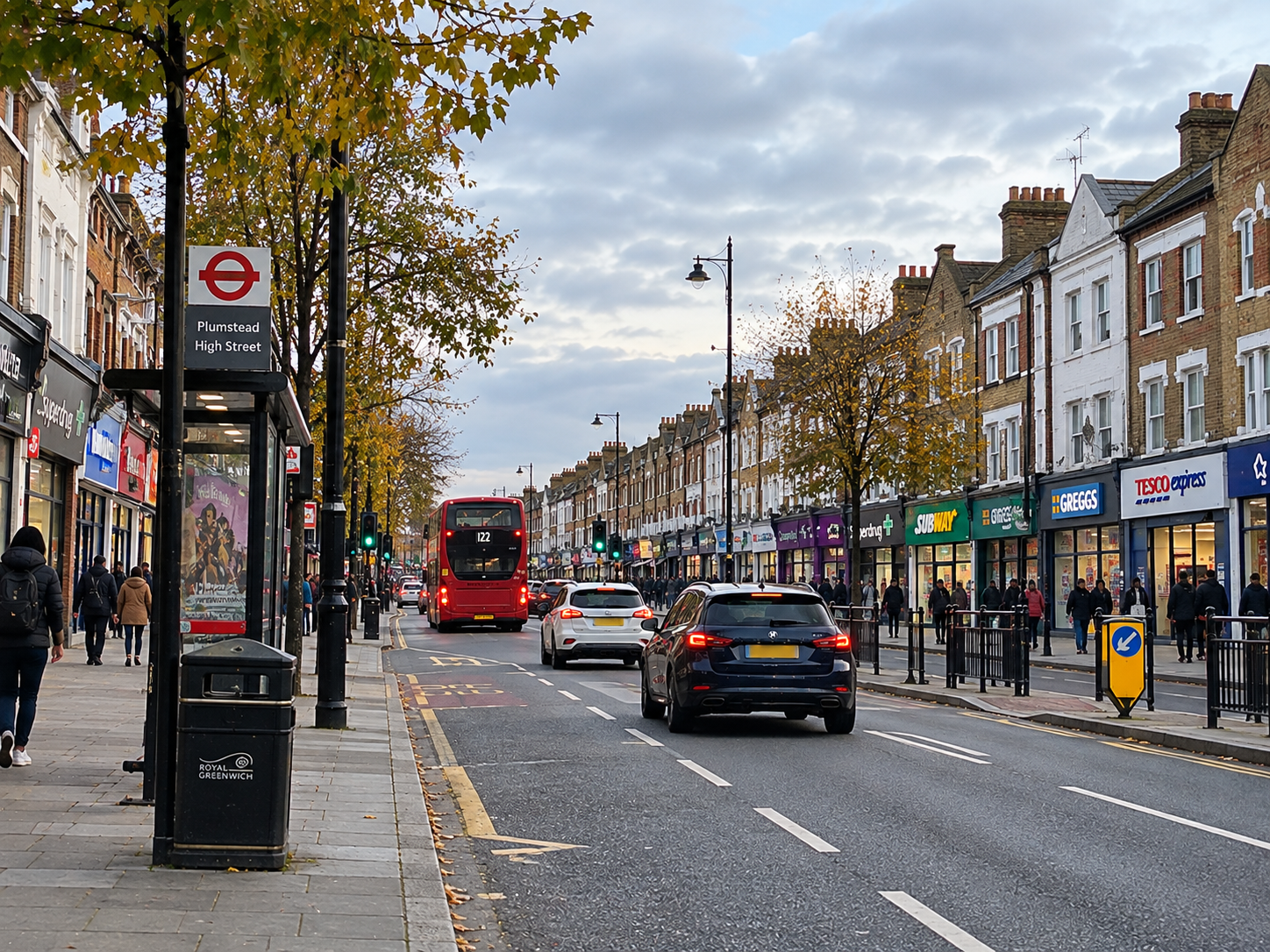
heavily congested urban roads;
complex multi-lane junctions;
temporary roadworks;
buses stopping frequently;
cyclists filtering through traffic;
pedestrians crossing unpredictably;
narrow residential streets;
changing road layouts; and
a mixture of modern and historic infrastructure.
Developers consider these conditions valuable because they expose vehicle systems to a broad range of real-world driving scenarios that are difficult to reproduce through simulation alone.
The Companies Behind the Technology
Several organisations are helping shape the UK's autonomous vehicle landscape.
Wayve
London-based artificial intelligence company Wayve has become one of the UK's leading autonomous driving developers.
Unlike some autonomous driving systems that rely heavily on detailed high-definition maps, Wayve's technology focuses on AI models capable of learning from real-world driving experience and adapting to unfamiliar environments. The company has expanded testing beyond London to hundreds of cities internationally using the same core driving model.
Uber
Uber has announced plans to introduce autonomous vehicle trials in London using Wayve's technology, with early deployments expected to begin under supervised conditions while regulatory approvals continue. Initial services are expected to include trained safety operators before wider commercial deployment is considered.
International Interest
London is also attracting attention from international autonomous vehicle developers.
Companies including Waymo and Baidu have announced ambitions to expand autonomous mobility programmes into the UK, making London an increasingly important location for evaluating self-driving technology within a complex European capital.
Why Real Roads Matter
Modern autonomous driving systems improve through exposure to diverse traffic situations.
While simulation remains an important development tool, public-road testing allows developers to evaluate how autonomous systems respond to changing weather, temporary traffic management, unusual road layouts and unpredictable behaviour from other road users.
London's varied road network provides an environment where these situations occur naturally, making it an attractive location for validating artificial intelligence under realistic operating conditions.
What Could This Mean for Roadside Assistance?
Although autonomous vehicles are designed to reduce driver workload, they will continue to require roadside support when mechanical failures, tyre damage, collisions or unexpected system faults occur.
As autonomous technology develops, the roadside assistance sector is expected to evolve alongside it, with increasing emphasis on:
remote vehicle diagnostics;
connected vehicle communication;
software-based fault identification;
specialist recovery procedures; and
collaboration between vehicle manufacturers, mobility providers and recovery operators.
These developments represent an evolution of roadside operations rather than a replacement for traditional recovery services.
Industry Outlook
The United Kingdom has established a regulatory framework to support the safe introduction of autonomous vehicles, while developers continue to expand testing programmes and commercial partnerships.
London's combination of dense traffic, complex infrastructure and diverse road users makes it one of Europe's most demanding environments for autonomous driving development. As trials continue, the capital is likely to play an increasingly important role in shaping the next generation of connected and self-driving mobility.
Disclaimer
This article has been prepared using publicly available information obtained from official organisations, industry publications and other publicly accessible sources available at the time of publication.
The ROBELIUM Newsroom provides independent editorial summaries intended to support general awareness of developments within the transport, mobility and roadside assistance sectors. Content does not constitute legal advice, investment advice, operational guidance or professional advice.
ROBELIUM is not affiliated with, endorsed by, or acting on behalf of any government department, transport authority, vehicle manufacturer, technology company or organisation referenced in this article, unless explicitly stated.
Information relating to autonomous vehicle trials, regulations and commercial deployment may change following publication. Readers should refer to the relevant official organisations and original sources for the latest information.