
Introduction
For many motorists, traffic lights appear to operate on fixed timers, changing between red, amber and green regardless of surrounding traffic conditions. In reality, many of Britain's busiest urban road networks are managed by sophisticated traffic control systems designed to respond dynamically to changing traffic demand throughout the day.
Cities such as London, Bristol and Manchester increasingly rely on intelligent traffic management technology to improve journey reliability, reduce unnecessary delays and maintain the efficient movement of people, public transport and freight.
As urban populations continue to grow, these systems are becoming an increasingly important component of modern transport infrastructure.
Adaptive Traffic Management
Unlike traditional fixed-time traffic signals, adaptive traffic control systems continuously analyse traffic conditions before adjusting signal timings.
Vehicle detectors, radar sensors, cameras and other monitoring equipment provide data about traffic volumes, queue lengths and vehicle movements approaching individual junctions.
Rather than operating independently, many signal-controlled junctions communicate as part of a wider network, allowing traffic engineers to coordinate traffic flow across large sections of a city.
The objective is not to eliminate congestion entirely, but to reduce unnecessary delays and improve overall network efficiency.
London's Intelligent Traffic Network
Transport for London manages one of Europe's most complex urban traffic control networks.
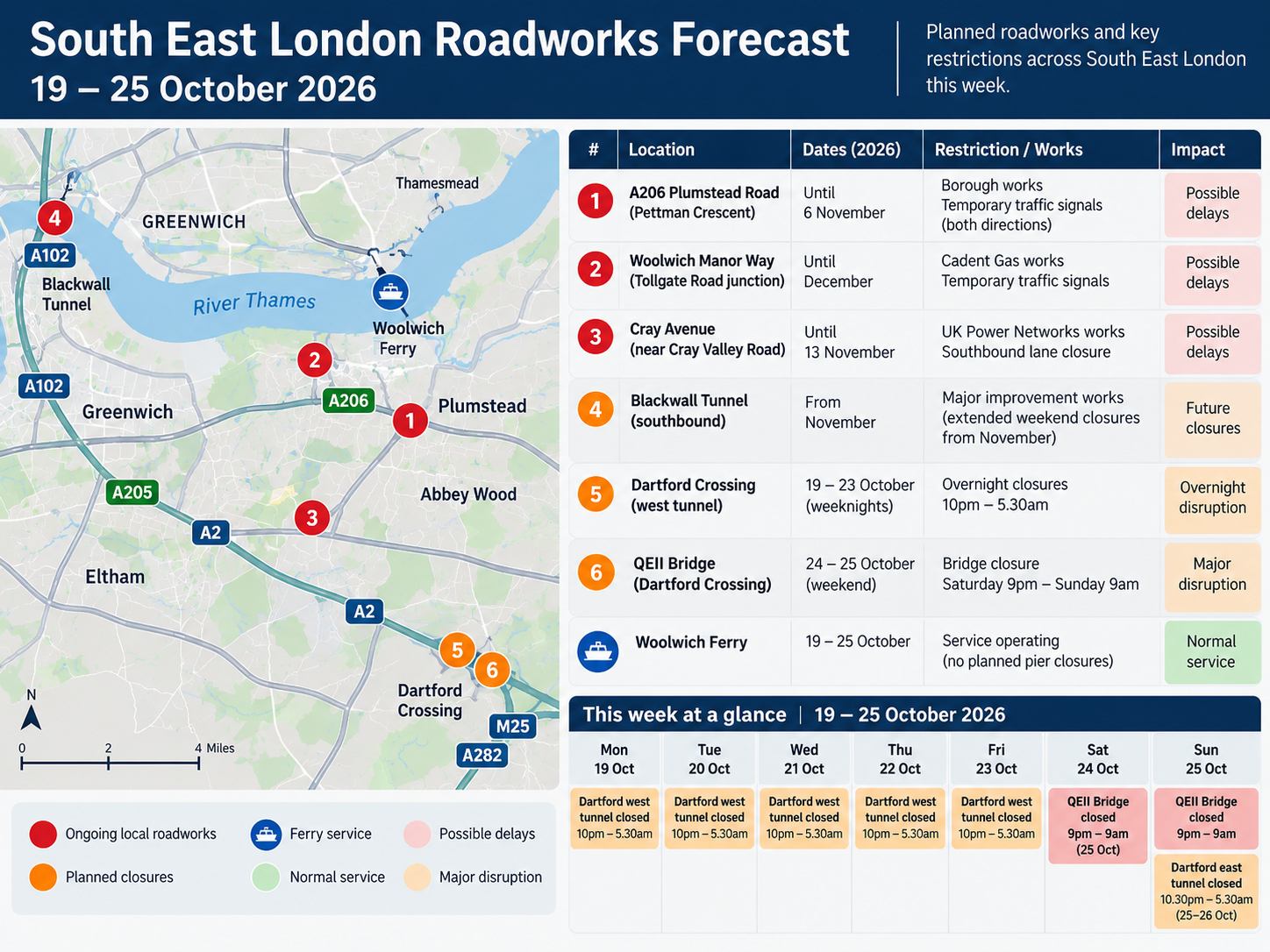
Many signal-controlled junctions operate using adaptive traffic management technology that continuously adjusts traffic signal timings in response to changing traffic conditions. These systems are designed to optimise green time allocation, coordinate neighbouring junctions and respond more effectively to incidents, planned roadworks and major public events.
Transport for London is also introducing newer traffic management technologies capable of processing a wider range of real-time transport information to further improve operational decision-making.
Beyond London
Other major UK cities continue to invest in intelligent traffic management.
Bristol has implemented coordinated urban traffic control systems that integrate permanent traffic signals with temporary traffic management used during highway works, helping to minimise disruption while maintaining traffic flow.
Across Greater Manchester, adaptive traffic signal control forms part of a wider network management strategy supporting public transport, emergency response and general traffic movement across hundreds of signal-controlled junctions.
Although each authority operates different systems, the underlying objective remains consistent: using real-time traffic information to improve the performance of the road network.
Why Traffic Congestion Can Occur Without an Incident
Not every traffic queue is caused by a collision or roadworks.
Transport researchers have demonstrated that congestion can develop from relatively small changes in driver behaviour. A single vehicle braking unexpectedly may cause following drivers to react more aggressively, creating a wave of slowing traffic that gradually travels backwards through the traffic stream.
These so-called "phantom traffic jams" can develop without any physical obstruction and are increasingly recognised as a characteristic of heavily trafficked road networks.
Understanding these traffic flow dynamics continues to influence both infrastructure planning and the development of intelligent traffic management systems.
The Next Generation of Traffic Management
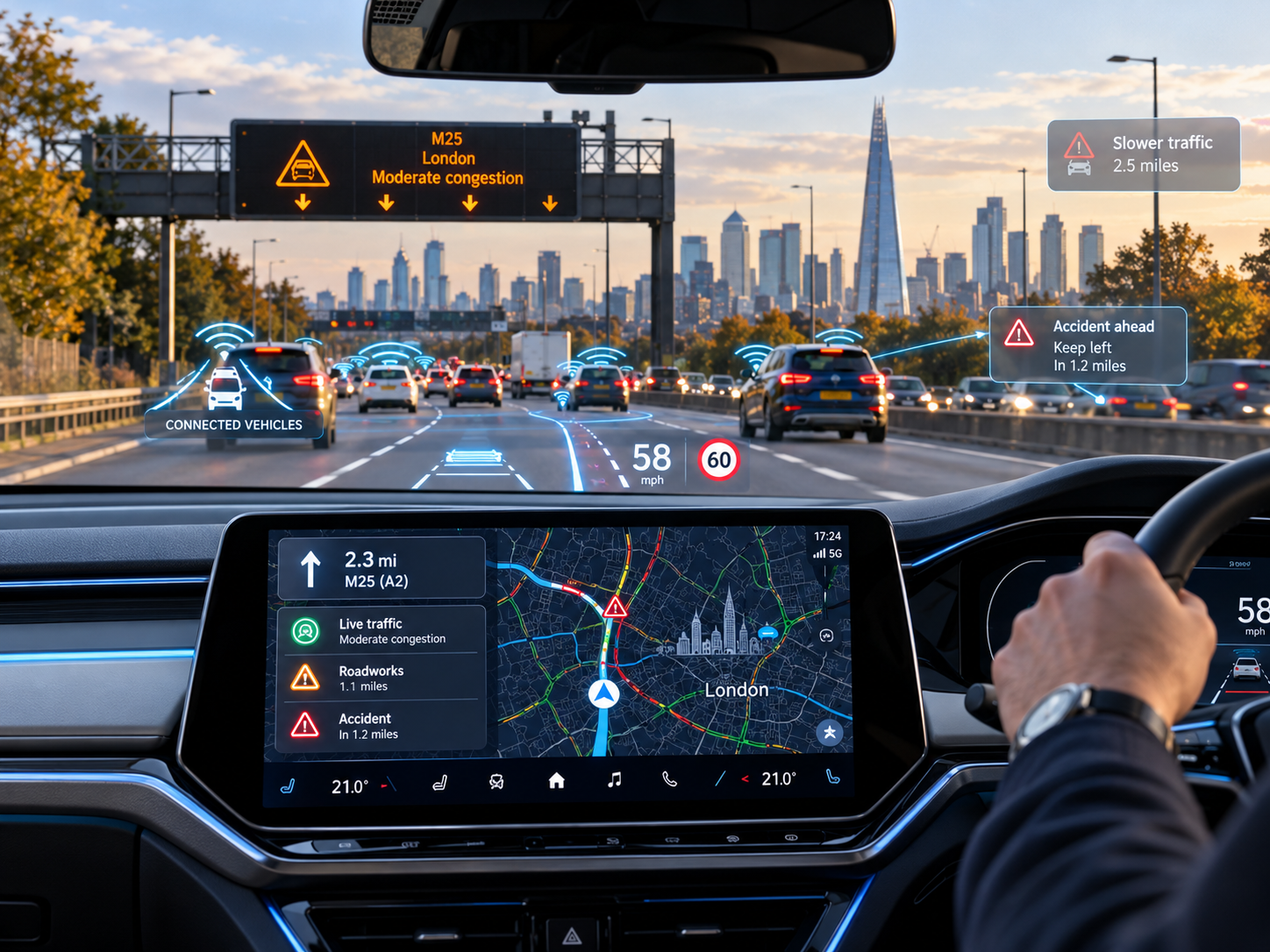
Traffic management continues to evolve as advances in artificial intelligence, connected vehicle technology and digital infrastructure become more widely adopted.
Future systems are expected to combine data from roadside sensors, connected vehicles and wider transport networks to make faster operational decisions, improving traffic flow while supporting public transport reliability and emergency response.
Although these technologies remain under development, they represent a significant step towards increasingly responsive and data-driven urban mobility.
Why It Matters
Modern traffic management extends well beyond traffic signals.
Adaptive control systems, real-time monitoring and coordinated network management play an increasingly important role in supporting road users, freight operators, emergency services and roadside assistance providers operating within complex urban environments.
As cities continue to expand, intelligent transport infrastructure is expected to become an increasingly important component of creating safer, more reliable and more resilient road networks.
Disclaimer
This article has been prepared using publicly available information from UK transport authorities, industry publications and academic research available at the time of publication.
The ROBELIUM Newsroom provides independent editorial content intended to improve understanding of developments affecting the roadside assistance, vehicle recovery and wider transport sectors.
ROBELIUM is not affiliated with, endorsed by, or acting on behalf of any government department, transport authority or organisation referenced in this publication unless explicitly stated. Information may change as technologies and transport policies evolve.